Attendance2 min read
Load shedding and network outages: why no clock-in is lost
A platform that assumes a permanent connection will not last a quarter in Kinshasa, or in the provinces. OPTimes is built on the opposite assumption.
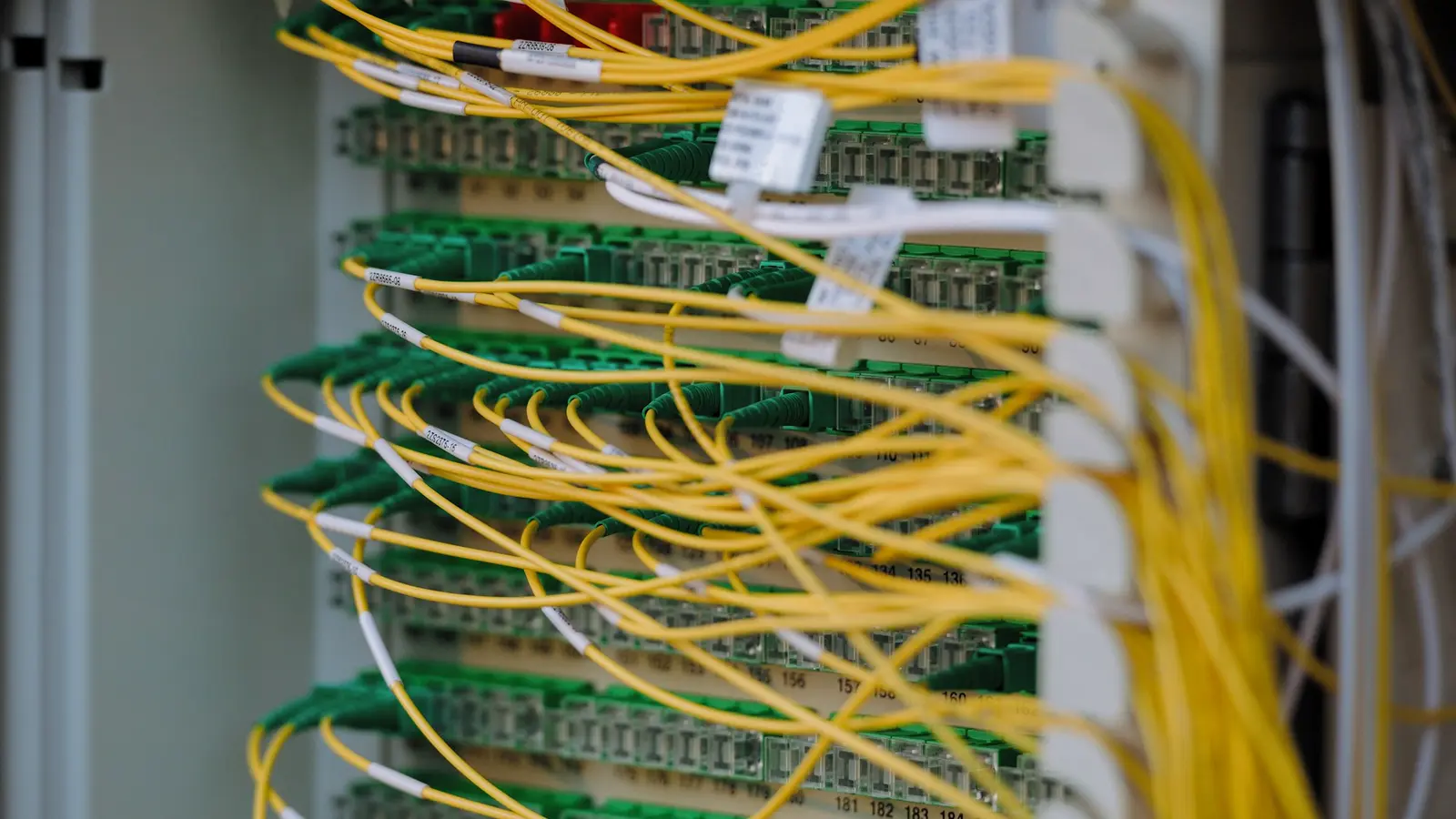
The power goes at 7:50, the network comes back at 9:20. In between, a hundred employees have arrived. With many solutions, those clock-ins are lost, or have to be re-entered by hand — and trust in the system collapses in the first week.
The terminal does not depend on the server
The terminal identifies the employee and stores the clock-in in its internal memory. The link to the platform is there to transmit, not to authorise: if it drops, the terminal keeps working normally. With a UPS, it also rides out the power cut.
Nothing is lost on reconnection
As soon as the link returns, the terminal sends back everything that is missing. Timestamps remain those of the clock-in, not of the upload: the employee who arrived at 7:58 is recorded at 7:58, even if the platform only learns of it at 9:20.
No duplicates
An outage in the middle of a sync can cause the same record to be sent twice. The platform recognises a clock-in it has already received and ignores it: a clock-in sent twice stays one clock-in. The month is not skewed.
What HR sees
The console shows the status of each terminal and the time of its last sync. A terminal that has sent nothing for several hours stands out immediately, and the team can step in before the end of the month rather than after.
And on the institution’s network?
The terminal opens the encrypted connection to the platform itself: no port to open, no firewall rule to write. This also simplifies provincial sites, often connected through a simple 4G router. To pick the right hardware, read Fingerprint, face or card: choosing your terminal.
Frequently asked questions
What happens if the terminal loses its connection?
It keeps identifying employees and storing clock-ins in internal memory, then sends everything missing as soon as it reconnects, with the original times.
Can a reconnection create duplicates?
No. The platform recognises a clock-in it has already received and ignores it.